Can we trust the theories of creation scientists?
04.12.18 | FAQs, Evolutionary Criticism, Age of the Earth
Read time: 2 minutes, 15 seconds.
Aren't they as susceptible to biases about the subject of origins as evolutionists? Yes, creation scientists are as biased about the subject of origins as are evolutionists. They'd better be!
Scientific data are cold, hard facts upon which both creationists and evolutionists agree. Questions about a fossil, for example, which can be answered by data, include "What is the temperature of the fossil?" "What is the weight of the fossil?" "What is the length of the fossil?" The answers to these questions do not require interpretation. Therefore, no bias comes into play in answering these questions.
But questions like "What creature is represented by this fossil?" "When did the creature live?" "How is this creature related to other creatures?" are all questions that are not answered by data.
Data may help rule out certain answers (if it has claws, it's probably not a fern), but ultimately, the answer to these questions depends on interpretation. That simple fact means that bias is involved.
For Example...
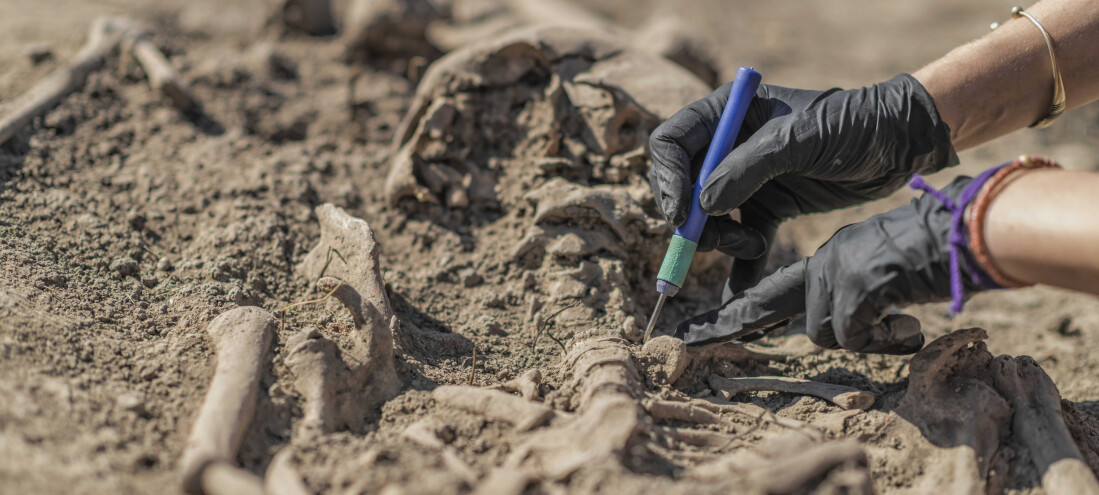
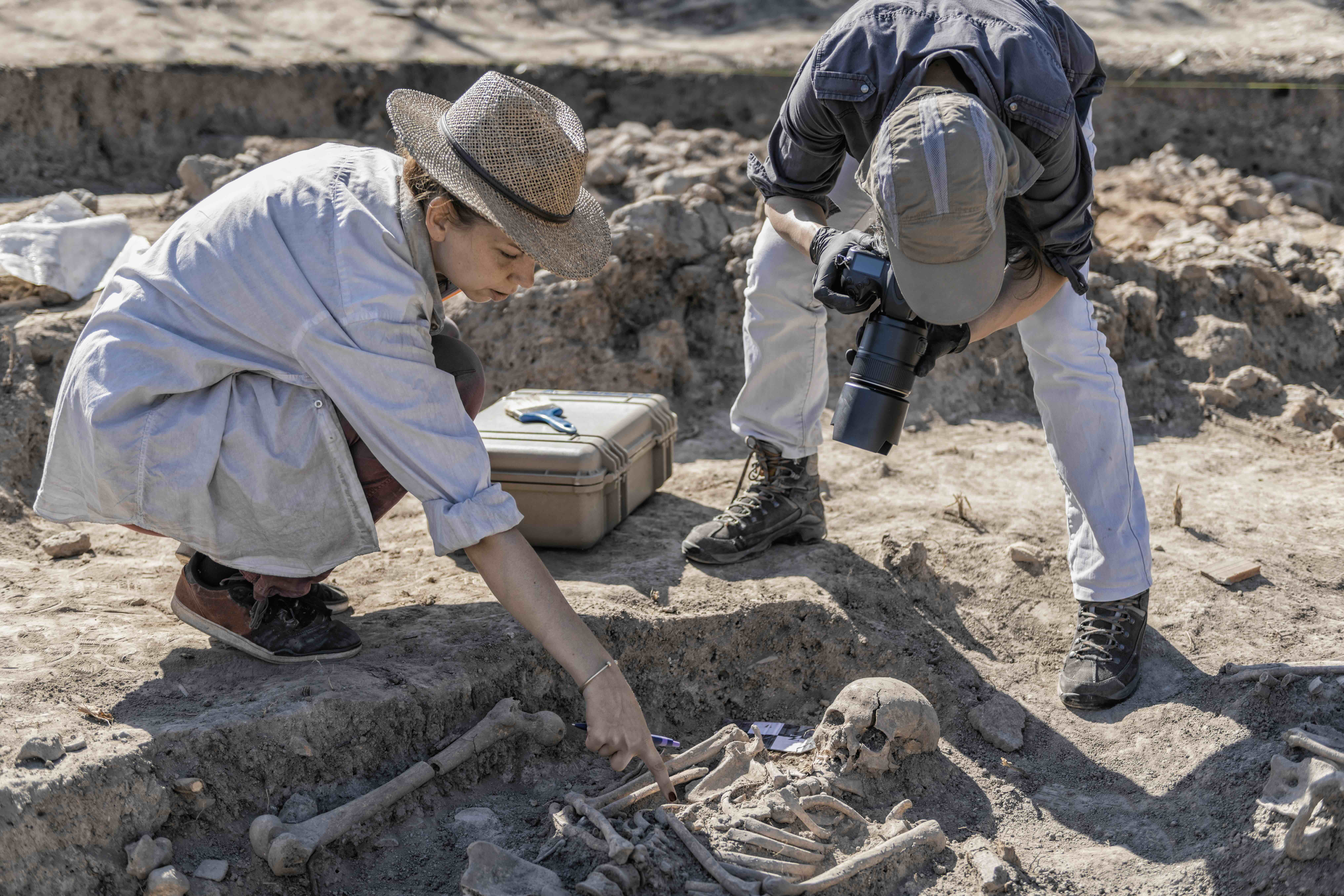
Let's say an evolutionist finds some fossilized bones which appear very human, in rocks he believes to be 25 million years old – far too ancient for modern humans but only several million years earlier than the earliest hominids. How will he deal with the choices before him in interpreting the bones? What are the choices?
- The bones could have belonged to a human being like us who lived at the time the rock layer was laid down. The evolutionist immediately rejects this interpretation. As an evolutionist, he has already made a commitment to the evolutionary dating system. A human like us tens of millions of years earlier than ever expected would not be accepted by anyone in the evolutionary establishment.
- The fossilized bones may have belonged to a pre-human hominid. This was the reasoning used to develop "Nebraska Man" from molar-like teeth, which turned out to belong to an extinct pig. With this option, the discoverer could make a name for himself, and headlines would talk about pushing man's ancestry back millions of years.
- Dismiss the bones as an intrusive burial. Perhaps the bones ended up in a deeper layer than the individual lived, simply because he was buried there.
Each of these three options is not data, but interpretation. Notice how each interpretation was shaped by the evolutionary belief. While the evolutionist rejects option #1 immediately, creationists would reject option #2 immediately, each based on their differing biases.
Ultimately, the origins debate is not about data; creationists and evolutionists can agree on the data. It's the interpretation of the data that separates them. And the interpretation of data is largely determined by whether the interpreter accepts or rejects the Bible as accurate history from God.