What's an Example of the Bible’s Scientific Foresight?
05.12.26 | FAQs, Old Testament | by Kelly-Jo Herwig
Read time: 2 minutes, 30 seconds.
Psalm 8 was the first Bible passage I committed to memory as a child. This beautiful Song is a beautiful testimony of our Lord’s complex creation. It is teeming with praise from the Psalmist as he considers the “heavens, the works of Thy fingers, the moon and the stars which Thou hast ordained.” The author, David, a shepherd turned king, would be considered a highly uneducated man compared to today’s standards. Yet, he was a man after God’s own heart, chosen by God to lead his people, to be the direct ancestor of the Messiah, and to pen this Psalm.
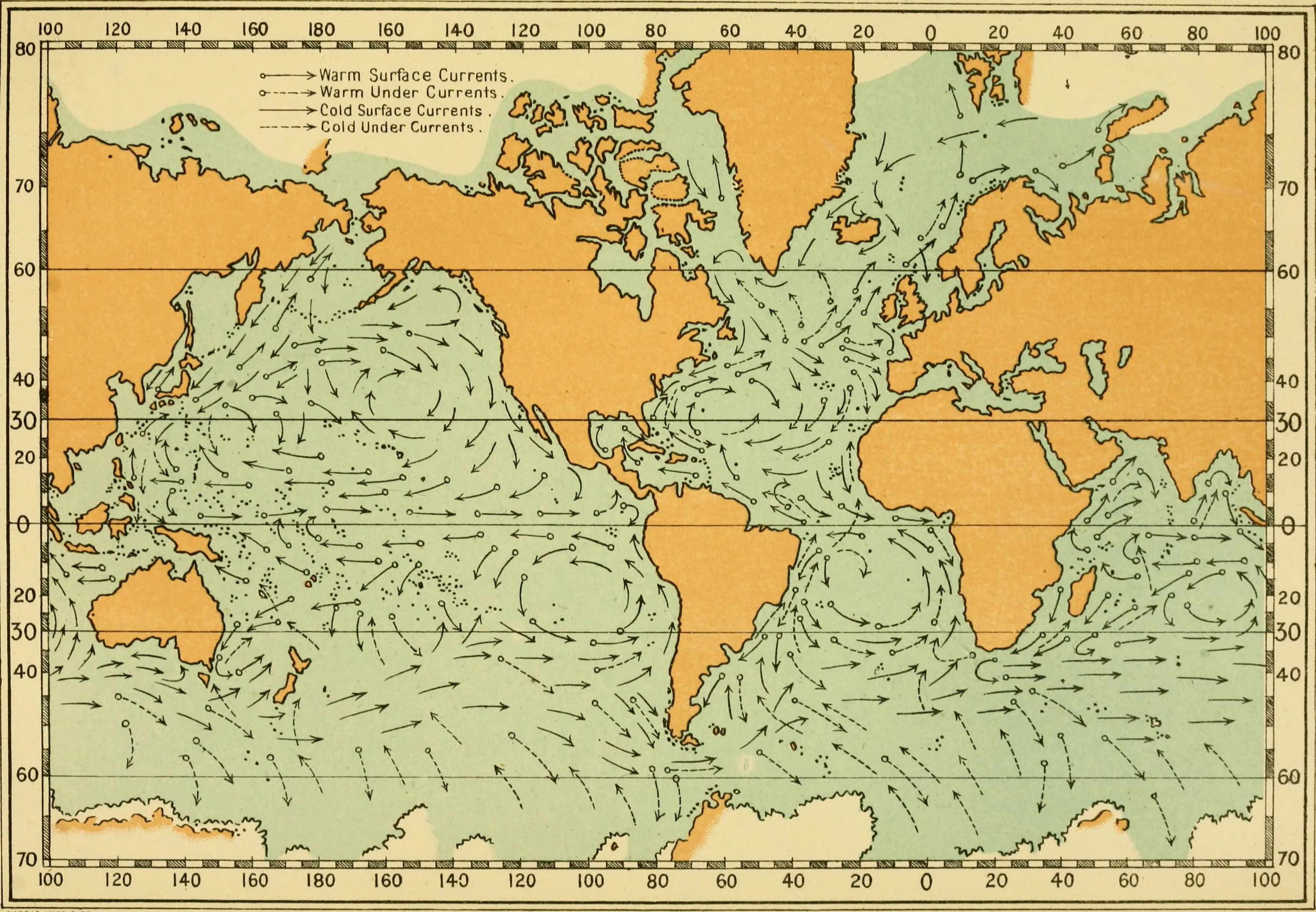
In Psalm 8:8, we see the phrase “the paths of the seas.” Here we have evidence of the inerrant nature of the Bible, as ancient man would not have known that there were paths deep within the seafloor. If the Bible were just a man-made ancient book, this verse would likely not be present. However, the Triune God is intimately aware of the smallest details of His own workmanship.
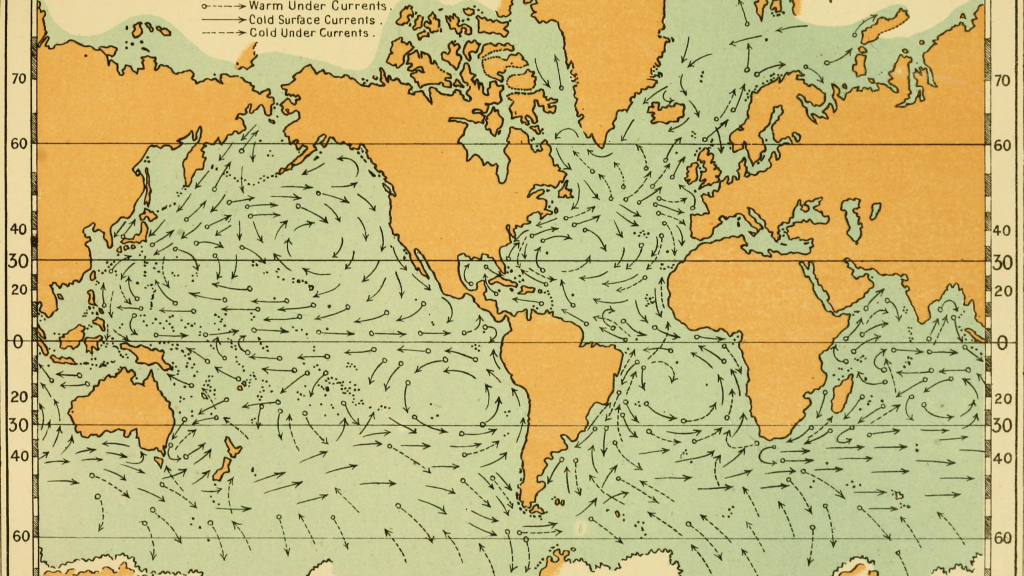
It wasn’t until the mid-19th century that modern man became aware of such pathways on the ocean floor. Matthew Fontaine Maury, a Civil War-era Naval Officer, is credited as the father of modern oceanography and is nicknamed “The Pathfinder of the Seas” through charting wind and ocean currents and improving navigation for the Navy. This prominent Virginian charted the Atlantic, Pacific, and Indian Oceans and presented his work as a U.S. ambassador in 1853 to the first international marine conference in Brussels. His study led to the establishment of the International Hydrographic Bureau.
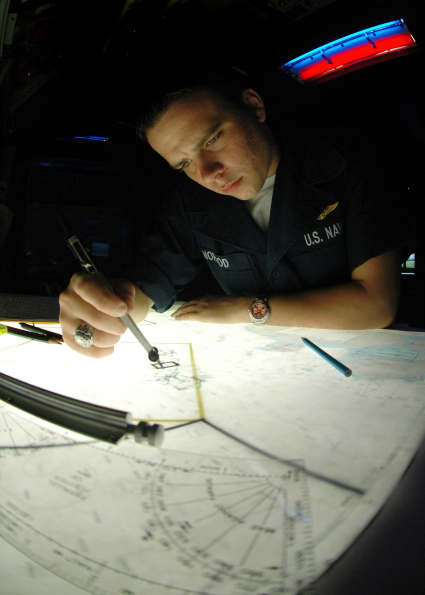
Modern submarine sonar technicians in the U.S. Navy also testify to “the paths of the seas.” God’s mercy to mankind allowed us to chart these deep-sea currents into sea maps, and today, the National Oceanic and Atmospheric Administration (NOAA) instructs sea mapping methodology through sonar to construct stellar seafloor maps and analyze aquatic ecosystems. At 1500 sonar soundings per second, a seafloor map can emerge to show great detail of depths, topographies, and seafloor types. Then, remotely operated vehicles with filming capacity verify the validity and accuracy of the data sonar brings to the scientist.
Increased knowledge in our modern millennia has illuminated the mysteries of the Lord’s Creation to us. He has chosen to reveal the work of His hands that had once been unattainable in the eras of the past. Psalm 8 proclaims a comforting truth - that our Creator knows and graciously shares intimate details of His understanding with us. Matthew Fontaine Maury was himself a Christian who believed true science and Scripture were complementary. It was his belief and fascination with the words of Psalm 8 that led him to his groundbreaking discovery. That is because to know God is to know the author of all wisdom and science.
As we navigate the path God created for our lives, let us stop to thank Him for the small details that point to His awesome and excellent Name in all the earth.
Ref.: Tetlow, Jim. 101 Scientific Facts & Foreknowledge. Eternal Productions, 2005. Corrado, Jonathan K. “Matthew Fontaine Maury: The Father of Oceanography.” Institute for Creation Research, 27 Oct. 2022. Images: An essay on the depth, temperature, and currents of the ocean, Thalassa (1877), Internet Archive Book Images, PD, Wikimedia Commons. US Navy Aviation Warfare Systems Operator Airman plots ship positions and submarine tracks on a tactical plotting station, U.S. Navy photo by Photographer's Mate Airman Apprentice Tanner Lange, PD, Wikimedia Commons.