
There are numerous instances of medical science corroborating Scripture. For example, when Scripture says, “A merry heart does good like medicine, but a broken spirit dries out the bones” (Proverbs 17:22), another scientifically profound truth is enunciated.
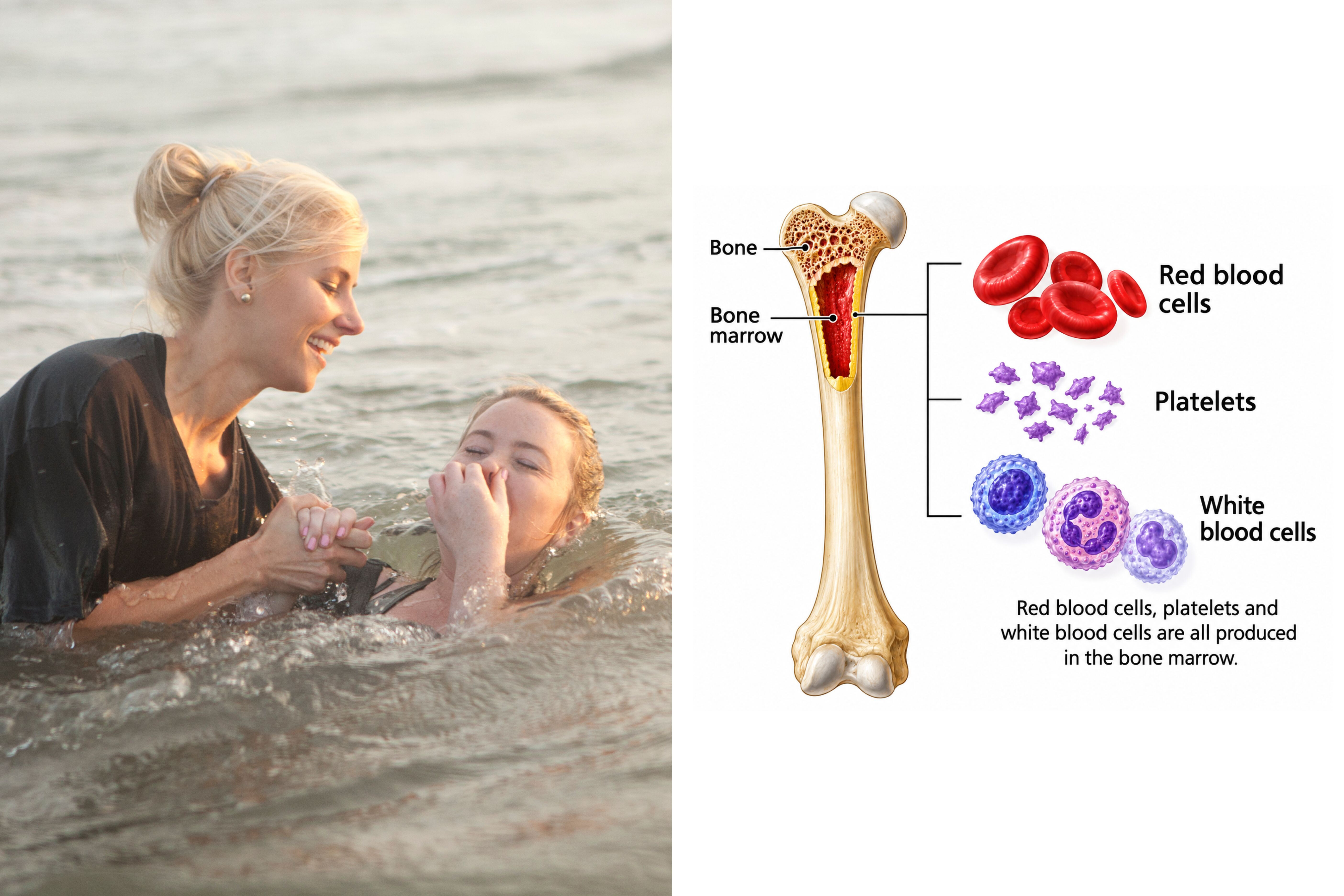
Not only are we finding increased evidence that a cheerful disposition and positive attitude help folks recover from ailments, but the immune system, which kicks into high gear with a “merry heart”, is derived largely from healthy bone marrow! So the contrasting parallelism of the Proverb – merry heart vs. dried-out bones – makes medical sense.
Bone marrow-derived stem cells differentiate into either mature cells of the immune system (different types of white blood cells) or into precursor cells which migrate out of the bone marrow to continue their maturation elsewhere. The bone marrow produces B cells (which form antibodies), natural killer T-cells, granulocytes (which help fight bacterial infections), and immature thymocytes that go on to become T-cells. In addition, bone marrow produces red blood cells (which carry indispensable oxygen to all the body) and platelets (for proper blood clotting).
How could the writer of ancient times have connected “dry bones” to an emotional state that contrasts with good health? – except that the Holy Spirit moved him to say it that way!
I don’t believe that they studied people’s bone marrow after folks died and correlated it to how happy or depressed they were before they died. Do you?
Another keen medical insight from the Bible is the cleansing removal of germs and its analogy to sin. The Bible tells us. “A little leaven leavens the whole lump of dough” (1 Corinthians 5:6, Galatians 5:9, Hosea 7:4). Sin spreads from person to person, increasing disorder and chaos as people strive selfishly with one another (James 3:16). Infection, pollution and sin are all contamination of the order, elegance, and beauty of God’s creation. And as sin will not be eradicated until “the perfect comes”, infectious disease and pollution will not be eradicated either.
It is not surprising, therefore, why sin, infection, and pollution are related in Scripture. Sin has brought forth death (eg, Romans 5:12). And infection is a death process, while pollution promotes infection or itself causes death (eg, cancer).
The Bible has an incredible understanding of cleanliness as it relates to the spread of germs and the potential to accumulate bacteria, viruses, and pathogens. The Levitical Laws of the Jewish people specifically prohibit contact with body fluids, blood products, and dead animals, classifying them as “unclean”. Fluids issuing from the body spread disease. The ancient wisdom of these laws is especially remarkable today.
The Bible also talks about sin as being “unclean” and makes a powerful analogy between washing away germs and pollution, and washing ourselves free of sin. The analogy is so effective because the spread and effects of infection, pollution, and sin are so similar. To be holy is by definition to be free from sin, just as to be clean is by definition to be free from dirt and germs.
The Jewish priests had to wash themselves and their clothes before they made atonement for sin (Leviticus 8:6, Numbers 8:6,7). They had to be clean. As the Jewish priests approached the altar in the Tabernacle of God, they had to wash their hands and feet in the special basin for washing, the “laver” (Exodus 40:30‑32). When the High Priest made his annual entry into the holiest part of the Jewish Temple (the Holy of Holies) to atone for his and the people's sins committed in ignorance (Hebrews 9:7), he had to be completely clean.
Christian baptism in water is itself a “cleansing” operation. What is communicated through baptism is the washing away of our sin. This is necessary to exit the kingdom of this world and enter the kingdom of God. "Not by works of righteousness which we have done, but according to His mercy (in Christ) He saved us, through the washing of regeneration and renewing of the Holy Spirit" (Titus 3:5).
The Bible is accurate both in dealing with 1) the physical relationship between cleanliness, body fluids, and the risk of infection, and 2) the ceremonial analogy between contamination and spread of sin, and contamination and spread of disease and pollution ("uncleanness").
The Bible is God’s inspired truth, and we benefit by believing it and applying it to all our lives. Avoiding God and His Word, as the world wants to do, means not only taking Him out of our moral lives, but taking Him out of our worldview for living in general. And for true success in life, as well as the eternally rewarded life in the age to come, we benefit greatly from having a biblical worldview!



Login To Leave Comment